Given Nantucket's whaling history, there's poetic justice in now being able to watch these magnificent creatures from tour boats rather than hunt them. The waters around Nantucket and the nearby Stellwagen Bank National Marine Sanctuary are rich feeding grounds for multiple whale species.
What You'll See
Common Species
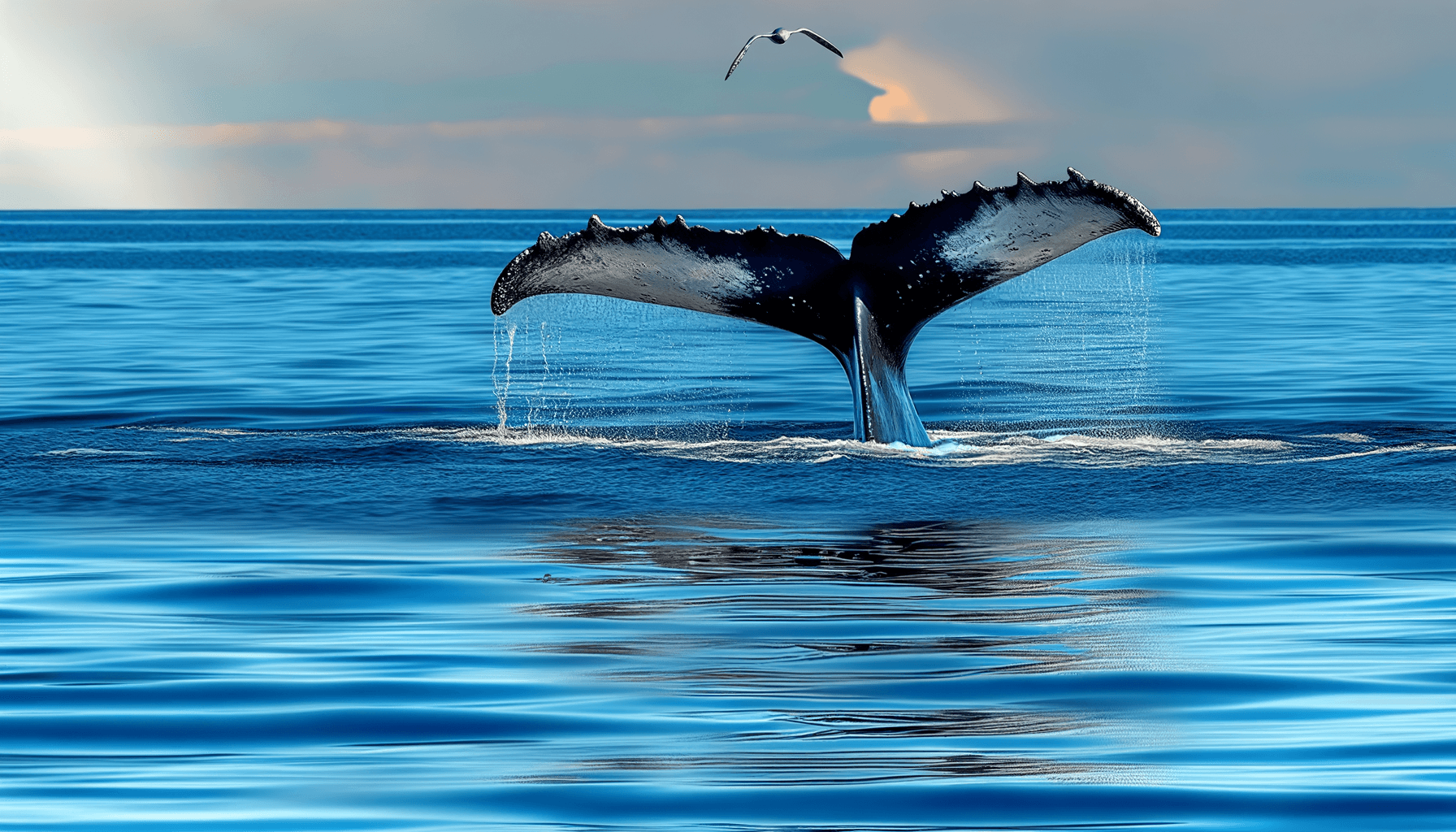
- Humpback Whales - Most commonly spotted, known for breaching and tail slapping
- Finback Whales - Second-largest animal on Earth, often seen feeding
- Minke Whales - Smaller, more elusive, but regularly spotted
- Atlantic White-sided Dolphins - Playful pods often accompany boats
Occasionally Seen
- Pilot whales
- Right whales (rare, endangered)
- Ocean sunfish (Mola mola)
- Seals
- Sea turtles
Tour Options
Dedicated whale watching tours from Nantucket are limited. Most visitors take one of these approaches:
Cape Cod Day Trip
The most reliable whale watching is from Provincetown or Barnstable (Cape Cod), where boats reach the rich Stellwagen Bank quickly. Some visitors take the fast ferry to Hyannis, do a whale watch, and return the same day.
Nantucket Charters
Some fishing and sightseeing charters from Nantucket will do whale watching trips by request. These are less structured than Cape Cod operations but offer a more private experience.
Ferry Sightings
Keep watch during your ferry crossing - whales are occasionally spotted in Nantucket Sound, especially early and late in the season.
Best Times
- Peak Season: July through early October
- Best Months: August and September
- Humpback Activity: Late summer (feeding season)
Whale Watching Tips
- Stellwagen Bank (via Cape Cod) offers the most reliable sightings
- Book ahead in summer - tours fill up
- Bring layers - it's much cooler on the water
- Take seasickness medication before boarding
- Bring binoculars and a camera with good zoom
- Morning trips often have calmer seas