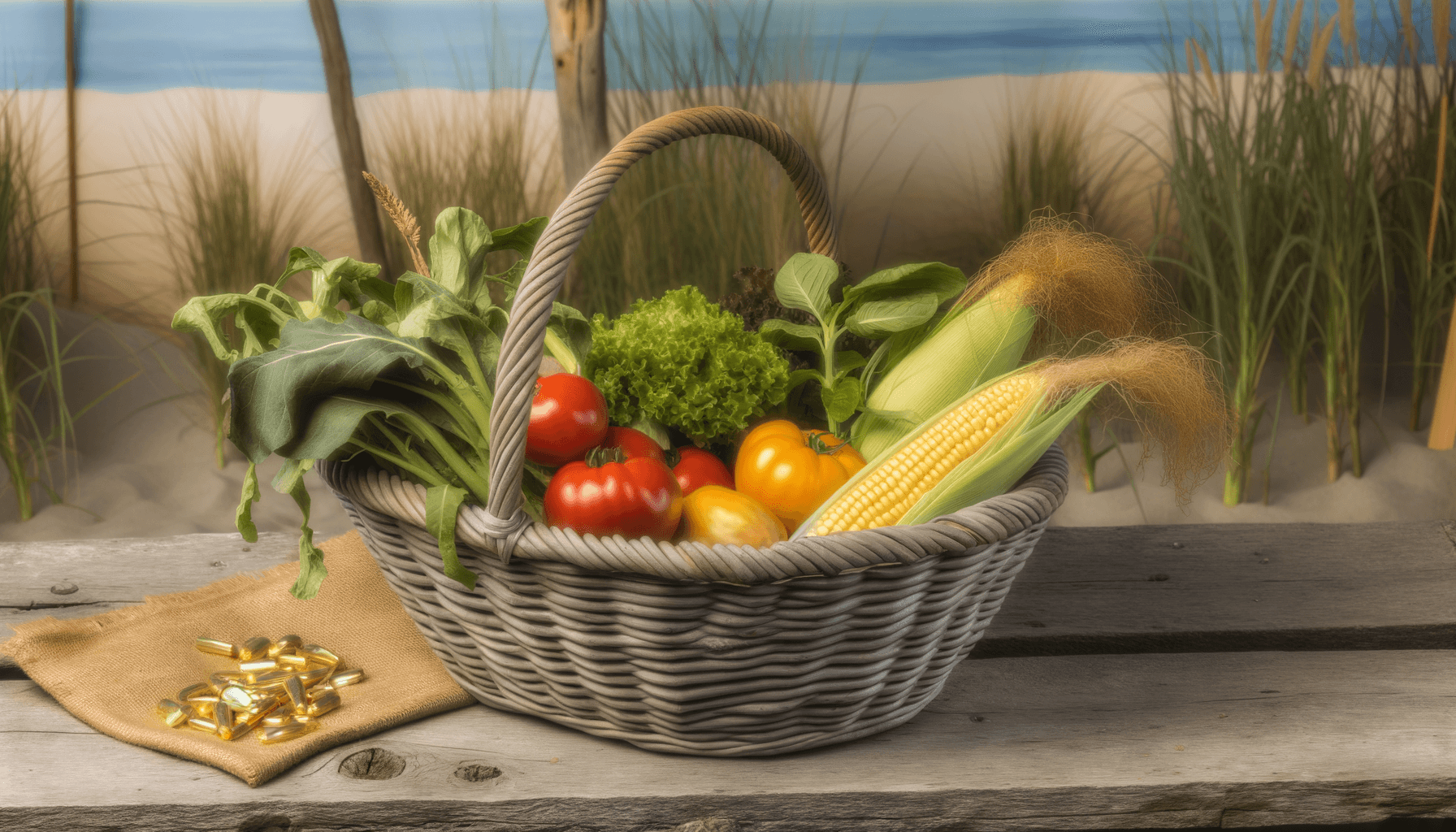
Nantucket's Farm-to-Table Philosophy
The concept of farm-to-table dining may feel contemporary, but on Nantucket, it echoes a tradition as old as the island's settlement. When you are surrounded by ocean, importing ingredients has always been expensive and uncertain. Islanders learned early to cultivate what the sandy, mineral-rich soil would yield and to harvest what the surrounding waters provided in abundance.
Today, this heritage informs a culinary philosophy that prizes provenance above all else. Nantucket's most celebrated chefs have forged deep relationships with local farmers, fishermen, and foragers. They design menus around what is available, not the other way around. This creates a dining experience that changes with the seasons and cannot be replicated anywhere else in the world.
The result is cuisine that tells a story. When you taste the corn at a Nantucket restaurant in August, you are tasting soil that has been farmed for nearly two centuries. When you eat an oyster harvested from Pocomo or Polpis Harbor, you are experiencing the unique salinity and mineral profile of these protected waters. Farm-to-table dining here is not simply about freshness, though that is part of it. It is about connection to a specific place and the people who have cultivated it for generations.
Bartlett's Ocean View Farm
No discussion of Nantucket's local food scene can begin anywhere other than Bartlett's Farm, the island's largest and oldest working farm. Established in 1843, Bartlett's has been operated by seven generations of the same family, making it one of the most remarkable agricultural continuities in New England.
A Legacy of Island Agriculture
William Bartlett first settled this land in the early 1800s, recognizing the potential in the rolling terrain near Hummock Pond. What began as a subsistence farm evolved over generations into a 125-acre operation that now supplies much of the island's produce. The farm's longevity speaks to both the determination of the Bartlett family and the surprising fertility of Nantucket's soil, which benefits from the moderating influence of the surrounding ocean.
What They Grow
Bartlett's Farm is perhaps most famous for its sweet corn, a summer institution that draws lines of eager customers each July and August. The corn's exceptional sweetness comes from being picked at peak ripeness and sold within hours, before the sugars convert to starch. Equally celebrated are the farm's tomatoes, which ripen slowly in the island's mild climate, developing complex flavors that supermarket varieties cannot match.
Beyond these signature crops, the farm cultivates an impressive diversity of vegetables and herbs. Lettuces, kale, and other greens appear in spring, followed by summer squash, peppers, and eggplant. Fall brings winter squash, pumpkins, and root vegetables. The farm is currently transitioning to 100% certified organic production, already maintaining both organic and GAP (Good Agricultural Practices) certified fields, the only such certification on the island.
The Farm Stand Experience
Bartlett's operation extends far beyond the fields. Their 18,000-square-foot farm market has become a destination in itself, combining a full-service grocery with a deli, cafe, and bakery. Visitors can pick up freshly harvested produce, prepared foods for beach picnics, locally made goods, and an impressive selection of wine and beer. The outdoor seating area, complete with a playground for children, makes this an ideal stop for families.
For those seeking a deeper connection, Bartlett's offers private farm tours accommodating up to thirty guests. These tours provide insight into both the agricultural operations and the history of farming on Nantucket. The flower tours, which showcase the farm's extensive ornamental growing operations, are particularly popular during the summer months.
Restaurants Committed to Local Sourcing
Nantucket's finest restaurants have embraced local sourcing as a core principle, building menus around what island farms and waters can provide. While nearly every quality restaurant on the island incorporates local ingredients, several establishments have made the farm-to-table philosophy central to their identity.
Straight Wharf Restaurant
Since 1976, Straight Wharf has set the standard for locally sourced fine dining on Nantucket. Their commitment to hand-made, locally sourced cuisine has never wavered. The kitchen works directly with island fishermen and farmers, adjusting the menu daily based on what arrives at the back door. The restaurant's harborfront location reinforces this connection to place, with fishing boats unloading their catch within sight of the dining room.
The Proprietors Bar and Table
Created by the former owners of American Seasons, The Proprietors has built its reputation on creatively interpreted global cuisine that showcases Nantucket's finest seasonal produce and proteins. The menu reads like a love letter to local purveyors, with dishes that highlight the unique qualities of island ingredients while drawing inspiration from culinary traditions around the world.
Sister Ship
This Mediterranean-inspired restaurant at the Faraway Hotel has developed particularly strong relationships with local farms. They partner with Fog Town Farm, Washashore Farm, Bartlett's Farm, Pocomo Meadow Oyster Farm, and Nantucket Bake Shop, among others. The result is globally influenced dishes that remain firmly rooted in Nantucket's agricultural and aquacultural traditions.
Topper's at The Wauwinet
At the island's only Relais and Chateaux property, Executive Chef Kyle Zachary maintains an on-site herb garden that supplies the kitchen throughout the season. This commitment to hyper-local sourcing extends to relationships with island farmers and fishermen, ensuring that the restaurant's modern coastal cuisine reflects the best of what Nantucket can offer at any given moment.
Island Kitchen
This year-round mid-island destination has built its identity around fresh, healthy, locally sourced fare. Operating since 2012, Island Kitchen sources extensively from island farms and purveyors, creating dishes that celebrate Nantucket's bounty in an approachable, everyday context. Their catering operation extends this farm-to-table philosophy to private events across the island.
Seasonal Availability Guide
Understanding what is in season enhances any farm-to-table dining experience. Nantucket's growing season is influenced by the ocean, which moderates temperatures and extends the harvest window compared to mainland New England.
Spring (May - June)
The season begins with tender greens, radishes, and the first herbs. Asparagus makes a brief but celebrated appearance. This is also prime time for soft-shell crabs as they migrate through local waters.
Summer (July - August)
Peak season brings the island's most famous crops. Bartlett's corn appears in mid-July and remains available through early September. Tomatoes reach perfection in August, along with summer squash, peppers, eggplant, and an abundance of fresh herbs. Striped bass fishing peaks, and bluefish run in great schools.
Fall (September - October)
The shoulder season offers some of the finest eating. Hard-shell squash, root vegetables, and late-season greens dominate farm stands. Bay scallops, perhaps Nantucket's most prized seafood, become available in November, extending the season for those willing to visit in the cooler months.
Winter (November - April)
While many restaurants close, year-round establishments rely on stored root vegetables, preserved goods, and the continued bounty of local waters. Oysters are particularly fine in cold months, and scallop season continues through March.
From Boat to Table: Nantucket Seafood
While the farm-to-table concept often emphasizes terrestrial agriculture, Nantucket's relationship with the sea is equally central to its local food identity. The island's waters yield some of the finest seafood on the Eastern Seaboard, and the short distance from boat to plate ensures unparalleled freshness.
The Fishing Fleet
Nantucket maintains a small but dedicated fishing fleet that supplies local restaurants with day-boat catches. These fishermen head out before dawn and return by afternoon, meaning their catch can be on your plate the same evening. Species vary by season but include striped bass, bluefish, fluke, black sea bass, tuna, and swordfish. The best restaurants develop ongoing relationships with specific captains, gaining access to the finest catches before they ever reach the general market.
Nantucket Bay Scallops
No local seafood carries more prestige than the Nantucket bay scallop. These small, intensely sweet shellfish are hand-harvested from the island's harbors between November and March. Their delicate flavor and tender texture have made them famous among seafood lovers worldwide. True Nantucket bay scallops command premium prices and appear on menus throughout the harvest season. When you see them offered, order them, as the experience cannot be replicated with scallops from any other source.
Local Oysters
Nantucket has emerged as one of New England's premier oyster destinations, with several local farms cultivating bivalves in the island's pristine harbors. The unique character of these waters, with their specific salinity and mineral content, produces oysters with distinctive flavor profiles.
Pocomo Meadow Oyster Farm
Located in the protected waters of Pocomo Harbor, this farm produces oysters prized for their clean, briny flavor with sweet undertones. Several island restaurants, including Sister Ship, feature Pocomo oysters prominently on their raw bar menus.
Other Local Varieties
Additional oyster farms operate in Polpis Harbor and other protected waters around the island. Each location imparts subtle differences in flavor, creating opportunities for comparative tastings at restaurants like CRU, which offers extensive oyster selections featuring both local and regional varieties.
Where to Taste
CRU Oyster Bar at Straight Wharf has built its reputation on exceptional raw bar offerings, including impeccably sourced local oysters. The waterfront setting provides the perfect backdrop for sampling these briny delicacies. For a more casual experience, many island restaurants offer local oysters by the half dozen, allowing diners to incorporate them into broader meals.
Farm-to-Table Seasonal Highlights
- Mid-July: Bartlett's famous sweet corn arrives
- August: Peak tomato season, best for heirloom varieties
- September: Hard-shell squash and root vegetables
- November: Bay scallop season opens
- Year-round: Local oysters (best in cooler months)
- Summer: Striped bass and bluefish runs
Which Farms Supply Which Restaurants
Understanding the relationships between local farms and restaurants can deepen your appreciation of Nantucket's food system. While these partnerships shift over time, several notable connections have become established.
Bartlett's Farm
As the island's largest agricultural operation, Bartlett's supplies produce to numerous restaurants across Nantucket. Their corn, tomatoes, and greens appear on menus island-wide during the growing season. The farm's scale allows them to serve as a wholesale supplier while maintaining retail operations at their farm stand.
Smaller Farm Partners
Several smaller operations have carved out niches supplying specific restaurants. Fog Town Farm and Washashore Farm focus on specialty crops and heritage varieties that appeal to chefs seeking unique ingredients. These micro-farms often work exclusively with one or two restaurants, creating truly distinctive menu items unavailable anywhere else on the island.
Direct Relationships
Many chefs maintain personal relationships with farmers, visiting fields regularly and collaborating on what to plant. This level of partnership allows restaurants to request specific varieties and ensures first access to the finest harvests. When dining at establishments known for local sourcing, do not hesitate to ask servers about the provenance of specific ingredients, as most are trained to share these stories.
Farmers Markets and Timing
For visitors who want to experience Nantucket's local food scene beyond restaurant dining, the island's farmers markets offer direct access to the same ingredients that inspire the best chefs.
Nantucket Farmers and Artisans Market
The island's primary farmers market operates Saturday mornings during the summer season, typically from late May through early October. Located in the downtown area, the market brings together local farmers, bakers, and artisan food producers. Arrive early for the best selection, as popular items sell out quickly. Beyond produce, you will find locally made breads, pastries, preserves, honey, and prepared foods.
Bartlett's Farm Stand
While not technically a farmers market, Bartlett's farm stand operates daily throughout the season, offering the most consistent access to local produce on the island. Summer hours run from 8 AM to 7 PM, making it convenient for both early risers and those seeking ingredients for evening cooking. The prepared foods section provides excellent options for beach picnics or casual meals.
Timing Tips
For the freshest produce, shop in the morning when deliveries arrive and temperatures are coolest. Mid-week visits to Bartlett's tend to be less crowded than weekends. If you are seeking specific items like corn at peak ripeness, do not hesitate to ask staff about the best days for harvest.
Eating Locally on a Budget
Farm-to-table dining is often associated with fine dining prices, but Nantucket offers numerous ways to experience local ingredients without breaking the bank.
The Farm Stand Route
The most economical way to eat locally is to shop at Bartlett's or the farmers market and prepare your own meals. Rental accommodations with kitchens make this practical, and there is something deeply satisfying about cooking with ingredients harvested that morning. A simple salad of local greens and tomatoes, dressed with good olive oil, can be as memorable as any restaurant meal.
Picnic Provisions
Bartlett's deli and prepared foods section offers excellent value for beach picnics and casual meals. Sandwiches made with local ingredients, seasonal salads, and fresh-baked goods provide a taste of local sourcing at accessible prices. Pair these with fresh fruit from the farm stand for a complete meal.
Lunch Over Dinner
Several restaurants committed to local sourcing offer lunch service at significantly lower prices than dinner. Straight Wharf's lunch menu, for example, features many of the same locally sourced ingredients as dinner but at more moderate price points. This strategy allows budget-conscious diners to experience fine farm-to-table cooking without the full evening commitment.
Raw Bar Happy Hours
Some restaurants offer discounted oysters and other raw bar items during early evening hours. This provides an affordable opportunity to taste local shellfish in a restaurant setting. Check with individual establishments for current promotions.
The Sustainability Angle
Nantucket's farm-to-table movement is intrinsically linked to broader questions of sustainability. Island living has always required careful stewardship of limited resources, and today's local food advocates continue this tradition with contemporary concerns in mind.
Reduced Food Miles
When ingredients travel thirty miles rather than three thousand, the environmental benefits are obvious. Local sourcing dramatically reduces the carbon footprint associated with food transportation. On an island where every imported item must cross the water by ferry or plane, this consideration carries particular weight.
Organic Practices
Bartlett's Farm's transition to 100% certified organic production reflects growing awareness of sustainable agriculture's importance. Organic practices protect the island's groundwater, soil health, and native ecosystems. Supporting farms committed to these methods contributes to Nantucket's long-term environmental health.
Sustainable Seafood
Local fishermen and oyster farmers operate within carefully managed regulatory frameworks designed to ensure long-term sustainability. Bay scallop harvests, for example, are strictly controlled to maintain healthy populations. By choosing local seafood, diners support these managed fisheries rather than less regulated alternatives.
Preserving Agricultural Land
Supporting local farms helps ensure that agricultural land remains in production rather than being developed. As property values on Nantucket have soared, the economic pressure on farmland has intensified. Consumer support for local agriculture provides an alternative revenue stream that can help keep farms viable.
Making the Most of Farm-to-Table Dining
- Ask questions: Servers at quality restaurants can share stories about ingredient sourcing. These conversations enrich the dining experience.
- Embrace seasonality: Order what is in season rather than seeking out-of-season items. Peak-season produce needs little embellishment.
- Visit the source: A trip to Bartlett's Farm provides context that enhances every subsequent meal featuring their ingredients.
- Try the specials: Daily specials often showcase the freshest arrivals. Chefs use specials to highlight ingredients that are too fleeting for the regular menu.
- Consider the whole animal: Restaurants committed to local sourcing often feature less common cuts and preparations. Be adventurous.
- Book strategically: For peak-season vegetables, visit in August. For bay scallops, plan a November trip. Timing your visit to coincide with specific harvests rewards the effort.