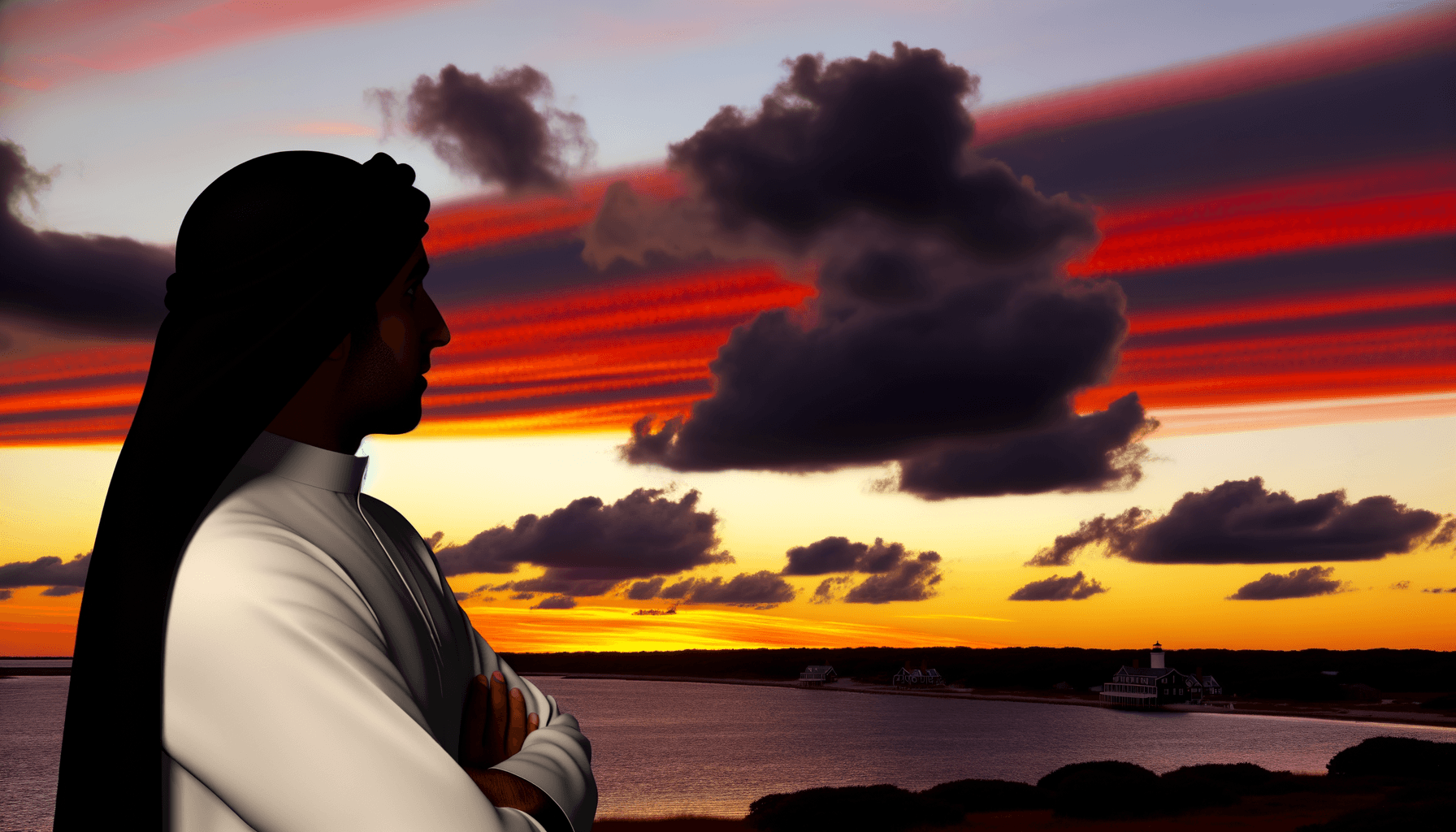
The Madaket Vibe: A Different Kind of Nantucket
Let me tell you what Madaket isn't. It isn't downtown with its galleries and boutiques. It isn't Sconset with its rose-covered cottages and garden lunches. It isn't the harbor with its mega-yachts and white pants. Madaket is what happens when you strip Nantucket down to its essentials: sand, surf, sky, and sunset.
The houses out here tend toward the weathered and practical. Some families have owned their Madaket cottages for four generations, passing down not just property but a way of being on this island. The year-round community is small - fishermen, artists, carpenters, and a few determined souls who prefer the quiet of the west end to the convenience of town. They know each other's trucks, each other's dogs, each other's preferred seats at Millie's.
What strikes first-time visitors is the absence of everything. No streetlights means dark skies thick with stars. No commercial strip means bringing what you need or doing without. No traffic noise means hearing the surf from half a mile away on quiet nights. This isn't a flaw in Madaket's character - it's the whole point.
The landscape itself sets the tone. Rolling moors covered in bayberry and beach plum give way to salt marsh and finally to beach. The wind here is a constant presence, keeping the air fresh and the vegetation low. On overcast days, the gray-green moors blend into gray sky and gray sea until you can't tell where one ends and another begins. On clear days, the colors are almost too vivid - blue sky, green-gold moors, white sand, blue water stretching to Portugal.
Getting to Madaket
The journey to Madaket is part of the experience. However you travel, you'll watch the developed island gradually give way to conservation land and open moor. By the time you arrive, downtown Nantucket feels like a different world.
The Bike Path: The Way to Do It
Most people who know Nantucket will tell you the same thing: bike to Madaket. The dedicated bike path runs 5.6 miles from the edge of town to Madaket village, completely separated from car traffic, through some of the most beautiful scenery on the island.
Here's the route. Pick up the path where Madaket Road begins, near the intersection with Pleasant Street. The first mile passes a few homes, then the landscape opens dramatically. You'll ride through rolling moors carpeted with heath and heather, past kettle ponds that glow in the afternoon light, alongside cranberry bogs that blaze red in autumn. Around mile three, there's a stretch where you won't see a building in any direction - just moor and sky extending to the horizon.
The path is paved and mostly flat, with a few gentle rollers that won't challenge any reasonably fit cyclist. Plan 30-45 minutes at a comfortable pace, longer if you stop to photograph the scenery or explore the side trails that branch into conservation land. The afternoon ride means timing your arrival for sunset, but the morning light has its own magic - softer, more delicate, perfect for photography.
Rent your bikes in town before heading out. Young's Bicycle Shop on Steamboat Wharf and Nantucket Bike Shop on Broad Street both offer reliable equipment and can recommend the best setup for the Madaket ride. Bring water - there's nowhere to refill until Millie's - and if you're riding out for sunset, attach a bike light for the return trip in darkness.
By Car
Driving to Madaket takes about 15 minutes via Madaket Road. The route is straightforward: follow Madaket Road west from town until it ends at the beach. The scenery along the way is nearly identical to what cyclists see, minus the exercise and plus air conditioning.
Parking at the main beach access is free, but the lot fills quickly during summer evenings. For sunset visits in July and August, arrive by 6 PM to guarantee a spot. If the main lot is full, there's limited street parking in the village, though residents get priority and enforcement is strict. A full lot isn't the end of the world - you can park farther back and walk, which isn't a bad way to stretch your legs after the drive.
The NRTA Shuttle
The NRTA Wave runs shuttle service to Madaket during the summer season. The ride takes about 20-25 minutes from downtown, and the fare is just $2 - possibly the best value on the island. Shuttles run regularly during peak hours, though evening service for sunset-watchers can be limited. Check the current schedule at nrtawave.com before building your plans around the shuttle.
The shuttle is an excellent option for sunset visits when you'd rather not worry about parking or biking home in the dark. Just confirm the return schedule in advance - the last shuttle often departs before the sunset's final act.
Taxi or Rideshare
Taxis and Uber operate on Nantucket and will take you to Madaket for roughly $25-35 each way. The convenience comes at a price, but if you're traveling with beach gear or kids or just don't feel like biking 12 miles round trip, it's a reasonable option. Book your return in advance - hailing a cab from Madaket after sunset is challenging when every visitor has the same idea.
Madaket Beach: What You Need to Know
Madaket Beach isn't trying to be family-friendly. It isn't trying to be convenient. It's trying to be exactly what it is: a wild stretch of Atlantic coastline where the ocean makes the rules. Understanding those rules is the difference between a transcendent beach day and a frustrating one.
The Beach Character
The beach faces west-southwest, catching Atlantic swells that have traveled thousands of miles without interruption. This means waves. Real waves. On calm days, the surf is manageable for confident swimmers. On rough days, waves can reach six feet or more, breaking hard on a steeply shelving bottom. The undertow is stronger here than at protected beaches, and rip currents are common.
Water temperature runs 5-10 degrees cooler than harbor-side beaches - typically 58-65 degrees Fahrenheit in summer. Some swimmers find this invigorating. Others find it shocking. Either way, expect cold water that won't let you forget you're in the Atlantic.
The beach itself is wide and sandy, with dunes rising behind. At low tide, an extra hundred feet of firm sand emerges, perfect for walking. The constant wind keeps the air fresh but can make beach umbrellas more trouble than they're worth - bring a windscreen or resign yourself to direct sun.
Facilities and Services
Facilities at Madaket are minimal by design:
- Restrooms: Portable toilets at the main parking area only
- Lifeguards: Seasonal staffing during summer - swim near the stand when on duty
- Food: Nothing at the beach itself; Millie's is a short walk away
- Rentals: None available - bring your own chairs, umbrellas, boogie boards
- Showers: None at the beach
- Parking: Free lot at road's end; limited street parking in village
The limited facilities are part of Madaket's appeal. This is a beach for those who prefer natural settings to convenience. Pack everything you need - water, snacks, sun protection, beach gear - and plan to be self-sufficient.
Swimming Safety
I'm not going to sugarcoat this: Madaket demands respect. The combination of strong surf, cold water, and powerful currents makes this beach unsuitable for casual swimmers and young children. Swim near the lifeguard stand when staffed. If you get caught in a rip current, don't fight it - swim parallel to shore until you're free, then angle back to the beach. If the red flag is flying, stay out of the water. That's not a suggestion.
For strong, experienced ocean swimmers, Madaket offers excellent bodysurfing and boogie boarding when the swell is running. The waves have real power - it's some of the best surf on the island when conditions align. Just know your limits and respect the ocean's.
The Famous Madaket Sunset
Every evening during summer, something close to a ritual unfolds at Madaket. Starting an hour or so before sunset, cars fill the parking lot, cyclists coast down from the bike path, and the beach gradually populates with blankets and chairs all facing west. This is what people mean when they talk about a Madaket sunset - not just the event itself, but the gathering, the anticipation, the shared experience of watching day become night over open ocean.
Why Madaket Sunsets Are Different
Geography explains a lot. Madaket faces almost due west, providing an unobstructed view of the horizon where sky meets water. There's nothing between you and that sunset except 3,000 miles of Atlantic. The humid ocean air scatters light through the atmosphere, intensifying colors and creating the vivid oranges, pinks, and purples that make these sunsets legendary.
But the numbers don't capture everything. There's something about watching the sun drop directly into the sea - that moment when the bottom edge touches the water and you can almost imagine hearing the sizzle. The light changes fast at this latitude, the colors cycling through the spectrum in the final fifteen minutes. And then the afterglow, when the sky keeps burning even after the sun has disappeared, pinks and purples deepening as stars emerge overhead.
Best Sunset Viewing Spots
- Main Beach: The classic spot. Set up on the sand facing west for unobstructed views. Arrive an hour early for the best positioning.
- The Dunes: Slightly elevated views with beach grass in the foreground - excellent for photography.
- Millie's Patio: Watch the sunset with a drink in hand and dinner on the way. Tables facing west go quickly.
- Smith's Point: More remote, fewer people, arguably even better views. Requires a long walk or beach driving permit.
- Madaket Harbor: The tidal inlet north of the main beach offers reflected sunset colors on calm water.
Sunset Timing
Summer sunset times at Madaket vary from around 8:25 PM at the solstice to 7:00 PM by early September. The best colors typically occur 15-20 minutes before and after the sun touches the horizon. Arrive at least an hour early to secure parking and a good spot on the beach. Stay 20-30 minutes after sunset for the afterglow - often the most dramatic colors come after the main event.
Pro tip: September and October often produce the most spectacular sunsets. Lower humidity means clearer skies, and the angle of light creates particularly intense colors. Crowds thin considerably after Labor Day, making shoulder season an ideal time for sunset-chasers.
Millie's: The Heart of Madaket Dining
Millie's isn't just the only restaurant in Madaket - it's a destination in its own right, drawing visitors who would make the trip even without the beach and sunset. For over fourteen years, this casual spot at the end of the bike path has been feeding the Madaket faithful with Baja-inspired coastal fare and some of the best cocktails on the island.
The Vibe
Millie's captures the Madaket spirit perfectly: relaxed, unpretentious, focused on good times rather than fine dining. Picnic tables fill the outdoor patio, string lights glow at dusk, and the dress code is whatever you're wearing after a day at the beach. This is flip-flops-and-sunburn territory, where sandy feet and salty hair are expected.
What to Order
The menu leans Baja-Mexican with seafood influences. The fish tacos are legendary - particularly when made with locally caught fish. Burritos, quesadillas, and nachos round out the Tex-Mex side of things, all executed with more care than the casual setting might suggest. The raw bar, when running, offers oysters and other shellfish that arrived on the island that morning.
But let's talk drinks. The Madaket Mystery is the house specialty - a frozen concoction whose exact recipe remains proprietary but whose effects are well-documented. Margaritas come frozen or on the rocks, both versions dangerously drinkable. The local beer selection rotates, and there's a decent wine list for those who prefer grape to agave.
Practical Information
- Location: 326 Madaket Road, at the end of the bike path
- Hours: Typically 11am-9pm daily (closed Tuesdays and Wednesdays); hours vary by season
- Season: Memorial Day through October - call ahead in shoulder season
- Reservations: Not accepted; arrive early or expect a wait
- Payment: Cash and cards accepted
- Phone: (508) 228-8435
The Sunset Strategy
Here's the move that locals know: arrive at Millie's around 5:30 PM on a summer evening. Secure a table on the patio. Order drinks and appetizers. Watch the sunset crowd gather on the beach. When the light starts turning golden, walk the hundred yards to the sand for the main event. Return to Millie's for dinner as the colors fade. It's the perfect Madaket evening, and it's why people build vacations around this place.
Fair warning: Millie's gets crowded on peak summer evenings. Waits can stretch past an hour when sunset-watchers descend en masse. The early arrival strategy isn't just about good positioning - it's about getting a table before the rush.
Millie's Market and Mid-Island Location
Millie's also operates a small market near the Madaket location offering takeaway options, basic provisions, and the essentials you might have forgotten to pack. There's also a mid-island location at 1 Sparks Avenue near the rotary, convenient if you want the Millie's experience without the trek to Madaket.
Fishing from Madaket
Madaket has been fishing territory since before the first Englishman set foot on Nantucket. The combination of open ocean access, tidal harbor, and miles of beach makes this the west end's premier fishing destination. Whether you're surf casting, fishing the harbor, or just hoping to catch dinner, Madaket delivers.
Surf Fishing
The beach at Madaket and extending down to Smith's Point offers excellent surf fishing for striped bass and bluefish during their seasonal runs. Stripers typically arrive in May and stick around through October, with peak action in June and again in September. Blues show up in mid-summer, usually around July, and provide aggressive action for anyone willing to deal with their teeth.
The best fishing often comes at dawn and dusk when baitfish move in the surf zone. Birds working over the water signal active fish below. Cast beyond the breakers and work your lure or bait back through the troughs where stripers like to feed. Local tackle shops can provide current reports and recommendations for what's working.
Harbor Fishing
Madaket Harbor, the tidal inlet north of the main beach, offers protected water fishing for those who prefer calmer conditions. The harbor holds stripers, blues, and various bottom fish depending on the season. Kayakers and small boat anglers find good action around the channel edges and near the marsh grass where bait congregates.
Clamming is also excellent in Madaket Harbor for those with proper permits. Soft-shell clams (steamers) and quahogs can be taken in designated areas. Contact the Nantucket Shellfish Department for current regulations and permit information.
Tackle and Supplies
Madaket Marine at 9 Madaket Road is your local source for bait, tackle, and fishing advice. This small shop near the harbor stocks everything you need for a day of fishing plus basic provisions for beachgoers. The staff knows local conditions and can point you toward productive water. The shop is seasonal, typically open daily from 7 AM to 6 PM during summer months.
Charter Fishing
For offshore fishing - tuna, shark, mahi-mahi - you'll need to book a charter out of Nantucket Harbor. But Madaket itself is prime territory for shore-based and small boat anglers who want to fish without the commitment of a full charter. The combination of accessibility and productivity makes it hard to beat.
Beach Driving and Over-Sand Permits
One of Madaket's appeals for certain visitors is the ability to drive on the beach - accessing remote stretches of sand that would otherwise require long walks. But beach driving on Nantucket requires permits, planning, and respect for a fragile ecosystem.
Getting an Over-Sand Permit
Beach driving permits are issued by the Nantucket Police Department and are required for any vehicle operating on designated over-sand routes. The process involves:
- Visiting the Nantucket Police Department at 4 Fairgrounds Road
- Providing vehicle registration and insurance documentation
- Demonstrating required equipment (see below)
- Paying the permit fee (rates vary for residents vs. non-residents)
- Completing a brief orientation on rules and designated routes
Required Equipment
All vehicles operating on the beach must carry:
- Low-pressure tire gauge (you'll be airing down to 12-15 PSI)
- Shovel
- Tow strap or chain
- Jack and support board
- Full-size spare tire
- Means to re-inflate tires (portable compressor or CO2 inflator)
Designated Routes
From Madaket, permitted vehicles can access Smith's Point via the over-sand route that extends south from the main beach access. This route provides access to some of the most remote and beautiful beach on Nantucket - miles of sand where you might not see another person all day.
Routes are subject to seasonal closures for shorebird nesting, typically from April through August in sensitive areas. Closure signs are posted and must be obeyed. Violations can result in permit revocation and significant fines.
Driving Tips
Beach driving is not like road driving. Air down your tires before entering the sand - 12-15 PSI is typical, though exact pressure depends on your vehicle and conditions. Maintain momentum through soft spots but don't speed. Stay in established tracks when possible. If you get stuck, don't spin your wheels - dig out and use your tow equipment or call for assistance.
Remember that beach driving is a privilege that depends on responsible use. Stay on designated routes, respect closures, pack out all trash, and yield to pedestrians and wildlife. The continuation of beach access depends on all users behaving responsibly.
Day Trip vs. Staying in Madaket
Most visitors experience Madaket as a day trip - biking or driving out from town for sunset and returning after dinner at Millie's. But for those seeking a deeper connection with the island's wild west end, staying in Madaket itself offers a completely different experience.
The Day Trip
A day trip to Madaket is one of Nantucket's essential experiences. The ideal schedule: bike out in late afternoon (or drive if you're short on time), explore the beach, settle in for sunset, dinner at Millie's, and return to town under the stars. This gives you the full Madaket experience - the journey, the beach, the sunset, the food - without needing to commit to the remote location.
Day trippers should remember that Madaket has no grocery store, no pharmacy, no gas station. Bring everything you might need for the afternoon and evening. Sunscreen, water, snacks, cash, a light jacket for after sunset, bike lights for the ride home.
Staying in Madaket
Renting a cottage in Madaket means committing to the experience. You'll wake to the sound of surf and birdsong, not delivery trucks and ferry horns. You'll see sunsets not just once but every clear evening, the ritual becoming as natural as dinner. You'll learn the patterns of the beach - how the sand changes with the tide, where the fish run, which wind direction brings the best waves.
But Madaket accommodation requires planning. Most rentals are private homes, booked through vacation rental agencies or property management companies. Options range from modest beach cottages to substantial homes with ocean views. Peak season books early - for a prime summer week, you'll want to reserve six months or more in advance.
The practical reality of staying in Madaket: you'll need a car (or good bike legs) for grocery runs and any exploration beyond the immediate area. The nearest full-service grocery is Stop & Shop near the rotary, about five miles back toward town. Plan your provisioning and you'll be fine; forget something essential and you've got a long ride ahead.
Pros and Cons
Day Trip Pros: Flexibility, convenience of town lodging, no need to plan extensively. Experience the highlights without the commitment.
Day Trip Cons: Rushed timeline, can't fully unwind into Madaket's rhythm, have to leave when it's time to go.
Staying Pros: Complete immersion in Madaket's peaceful atmosphere, wake up to the beach, nightly sunsets, experience the quiet mornings and star-filled nights.
Staying Cons: Remote from town amenities, requires vehicle access, must plan for provisions, fewer dining options.
History and Character of Madaket
Madaket's history runs deeper than most visitors realize. This wasn't always the quiet residential area at the end of the road - it was once the center of island activity, and understanding that history illuminates everything about the Madaket of today.
Before the Whaling Era
When English settlers arrived on Nantucket in 1659, they found the western end of the island already inhabited by the Wampanoag people, who called the area "Madaket," meaning "bad land" or "barren place" - a reference to the sandy soil unsuitable for farming. The harbor at Madaket, however, offered protection from storms that the more exposed coastline couldn't provide.
The early colonists established their first settlement near Madaket Harbor, grazing sheep on the surrounding moors. This pastoral beginning shaped the landscape that persists today - the open moors and heath that define Madaket's character are the legacy of centuries of grazing that prevented forest growth.
The Whaling Connection
As Nantucket's whaling industry grew, the center of activity shifted east to the deeper harbor at what became Nantucket Town. Madaket's shallower harbor couldn't accommodate the large whaling ships, and the community settled into its role as the quiet agricultural and fishing outpost it would remain for the next two centuries.
But Madaket played its part in the whaling economy. Lookouts stationed on the western bluffs scanned the horizon for whales, signaling ships when prey was spotted. The moors provided grazing for the sheep whose wool helped insulate whalemen during years-long voyages. And when ships returned from Pacific whaling grounds, the western tip of Nantucket was the first land they'd see after months at sea.
The Summer Colony
Like Sconset on the eastern shore, Madaket attracted summer visitors beginning in the late 1800s. These weren't the wealthy industrialists who built mansions in Newport - Madaket drew artists, writers, and families seeking simplicity. The cottages they built reflected this ethos: modest, functional, focused on beach access rather than architectural statement.
This summer colony tradition continues today. Families return to the same cottages year after year, generation after generation. Children who learned to bodysurf at Madaket Beach now bring their own children to the same spot. The community has a continuity that more transient vacation destinations lack.
Smith's Point and the Changing Coastline
The barrier beach at Smith's Point, extending south from Madaket, tells a story of constant change. This sandy spit has been breached by storms multiple times in recorded history, most recently in 2007 when a northeaster cut through, temporarily creating Esther Island. The beach rebuilds, shifts, erodes, and rebuilds again - a reminder that this landscape is always in motion.
Erosion is a constant concern at Madaket. The western bluffs lose ground to the ocean each year, and some historic homes have been moved back from the edge. Climate change accelerates these processes, raising difficult questions about the long-term future of development on this exposed coastline.
Madaket Today
Modern Madaket is a community of roughly 400 summer residents and a few dozen year-rounders. The houses range from century-old cottages to contemporary builds, but strict zoning keeps the development low and the character intact. There's still no commercial district, no hotels, no traffic lights. Just homes, beach, and sky.
What hasn't changed is the fundamental appeal: Madaket remains Nantucket's wild west, a place where the island's character survives the pressures of development and tourism. The sunset-watchers who gather each evening are participating in a tradition that goes back generations. The fishermen casting into the surf follow patterns established by the Wampanoag. The artists who find inspiration in the light and landscape are the latest in a long line.
Madaket Insider Tips
- Bike out, it's worth it: The Madaket bike path is one of the island's finest rides - don't miss it for the sake of convenience.
- Arrive early for sunset parking: Summer evenings fill the lot by 6:30 PM. Bike or shuttle to avoid the stress.
- Bring everything you need: No stores, no rentals, no services at the beach. Pack water, food, sun protection, and all beach gear.
- Respect the ocean: Madaket's surf is stronger than other beaches. Swim near lifeguards, heed warnings, know your limits.
- Layer up for evening: Temperatures drop quickly after sunset, and the ocean breeze adds a chill. Bring a jacket.
- Stay for the afterglow: The best colors often come 15-20 minutes after the sun disappears. Don't leave too early.
- Try shoulder season: September sunsets are often the most spectacular, with fewer crowds and clearer skies.
- Get to Millie's early: Waits can exceed an hour at peak times. The early bird gets the outdoor table.
- Check the shuttle schedule: NRTA service is limited - confirm return times before relying on the bus.
- Pack out your trash: No garbage service at the beach. Leave nothing but footprints.