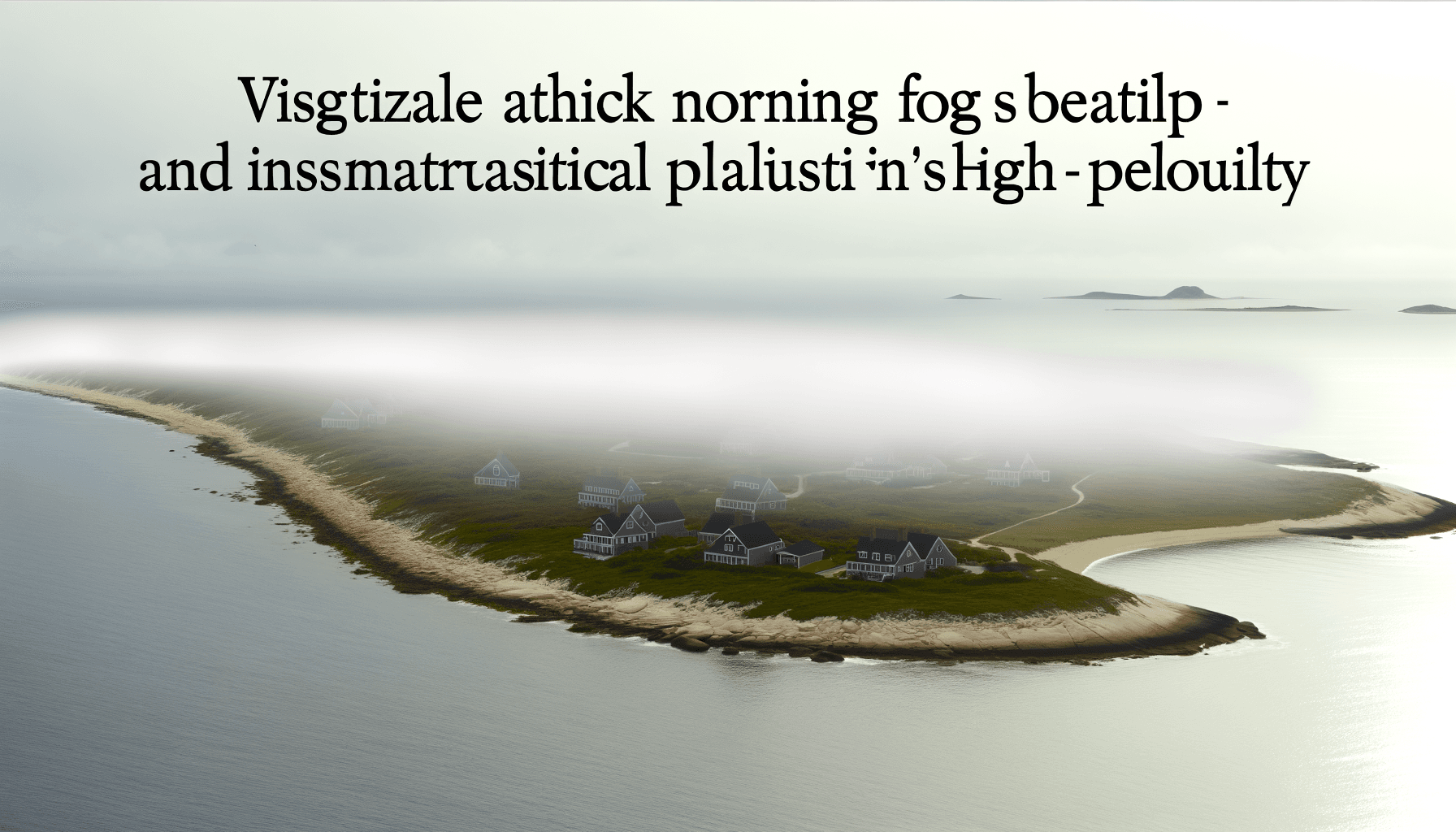
Nantucket's Maritime Climate
The Atlantic Ocean acts as a temperature regulator for Nantucket, creating weather conditions that differ significantly from the mainland. The surrounding waters warm slowly in spring and cool slowly in fall, which moderates temperatures year-round. This maritime influence means Nantucket rarely experiences the extreme heat of Boston summers or the bitter cold of New England winters.
Key characteristics of Nantucket's climate include:
- Cooler summers: Ocean breezes keep temperatures 5-10 degrees cooler than the mainland
- Milder winters: The ocean's warmth prevents extreme cold snaps
- Higher humidity: Moisture from the surrounding seas keeps the air more humid
- Frequent fog: Especially common in late spring and early summer
- Variable conditions: Weather can change quickly, especially in spring and fall
- Persistent winds: Sea breezes are common, making it feel cooler than the actual temperature
Monthly Weather Breakdown
Each month brings different conditions to the island. Here's what to expect throughout the year.
January
- Average high: 40F (4C)
- Average low: 27F (-3C)
- Rainfall: 3.5 inches
- Ocean temp: 42F (6C)
- Fog likelihood: Low
The coldest month on Nantucket, but still milder than mainland Massachusetts. Expect quiet streets and off-season pricing.
February
- Average high: 40F (4C)
- Average low: 27F (-3C)
- Rainfall: 3.2 inches
- Ocean temp: 40F (4C)
- Fog likelihood: Low
Similar to January with occasional nor'easters. The ocean reaches its coldest temperatures.
March
- Average high: 45F (7C)
- Average low: 32F (0C)
- Rainfall: 4.0 inches
- Ocean temp: 41F (5C)
- Fog likelihood: Moderate
Early spring brings variable weather. Snow is still possible but daffodils begin to bloom by month's end.
April
- Average high: 53F (12C)
- Average low: 39F (4C)
- Rainfall: 3.5 inches
- Ocean temp: 45F (7C)
- Fog likelihood: Moderate to High
The famous Daffodil Festival takes place this month. Weather is unpredictable - pack layers.
May
- Average high: 62F (17C)
- Average low: 47F (8C)
- Rainfall: 3.3 inches
- Ocean temp: 52F (11C)
- Fog likelihood: High
Late spring is beautiful but fog peaks as warm air meets the still-cool ocean. Mornings can be gray.
June
- Average high: 71F (22C)
- Average low: 57F (14C)
- Rainfall: 3.0 inches
- Ocean temp: 59F (15C)
- Fog likelihood: High
Early summer brings warm days but frequent morning fog. The ocean is still brisk for swimming.
July
- Average high: 78F (26C)
- Average low: 64F (18C)
- Rainfall: 2.8 inches
- Ocean temp: 66F (19C)
- Fog likelihood: Moderate
Peak summer conditions with warm, pleasant days. The ocean becomes swimable. Fog frequency decreases.
August
- Average high: 77F (25C)
- Average low: 63F (17C)
- Rainfall: 3.2 inches
- Ocean temp: 68F (20C)
- Fog likelihood: Low to Moderate
The warmest ocean temperatures of the year. Excellent beach weather with less fog than early summer.
September
- Average high: 71F (22C)
- Average low: 57F (14C)
- Rainfall: 3.3 inches
- Ocean temp: 66F (19C)
- Fog likelihood: Low
Many consider this the best month to visit. Warm days, pleasant nights, clear skies, and fewer crowds.
October
- Average high: 62F (17C)
- Average low: 48F (9C)
- Rainfall: 3.5 inches
- Ocean temp: 60F (16C)
- Fog likelihood: Low
Crisp fall weather with stunning light. Ocean is still warm from summer. Great for hiking and biking.
November
- Average high: 53F (12C)
- Average low: 40F (4C)
- Rainfall: 3.8 inches
- Ocean temp: 54F (12C)
- Fog likelihood: Low
Late fall brings cooler temperatures and occasional nor'easters. The island quiets down significantly.
December
- Average high: 44F (7C)
- Average low: 32F (0C)
- Rainfall: 4.0 inches
- Ocean temp: 47F (8C)
- Fog likelihood: Low
Winter arrives but Christmas Stroll brings festive warmth. Snow is possible but not guaranteed.
Summer Weather (June - August)
Summer is peak season on Nantucket, and the weather is a major reason why. Expect daytime temperatures in the 70s and low 80s Fahrenheit, with ocean breezes keeping the heat comfortable. Nights cool down to the mid-60s, making for pleasant sleeping weather without air conditioning.
- Temperature range: Highs 70-82F (21-28C), lows 57-64F (14-18C)
- Best beach months: July and August when ocean temps reach 66-68F
- Humidity: Moderate, tempered by sea breezes
- Rainfall: Generally dry with occasional afternoon thunderstorms
- Daylight: Up to 15 hours of daylight in late June
- Fog: Most common in June, decreases through summer
While mainland Massachusetts can swelter in 90-degree heat, Nantucket's ocean breezes typically keep temperatures 5-10 degrees cooler. However, occasional heat waves do reach the island, so pack light, breathable clothing.
Fall Weather (September - November)
Many islanders and frequent visitors consider fall the most beautiful time on Nantucket. The summer crowds thin out, the light takes on a golden quality, and the weather remains pleasant well into October. The ocean retains its summer warmth, making September swimming surprisingly comfortable.
- Temperature range: Highs 53-71F (12-22C), lows 40-57F (4-14C)
- Best activities: Hiking, biking, photography, outdoor dining
- Ocean temperature: Still warm in September (66F), cooling through fall
- Fog: Rare - clear, crisp conditions prevail
- Crowds: Significantly reduced, especially after Columbus Day
- Storms: Nor'easters become more common in November
The famous "Nantucket light" that photographers prize is most pronounced in fall, when the sun's angle creates a warm, golden glow across the island's moors and beaches.
Winter Weather (December - February)
Winter on Nantucket is milder than you might expect. The ocean's moderating influence prevents the extreme cold snaps that hit the mainland. While snow does fall, it's less frequent than in Boston, and temperatures rarely drop below 20F. The island takes on a quiet, contemplative character that some visitors find magical.
- Temperature range: Highs 40-44F (4-7C), lows 27-32F (-3 to 0C)
- Snowfall: Average 20-25 inches per season, less than mainland
- Wind chill: Persistent winds can make it feel much colder
- Nor'easters: Major winter storms can bring significant snow and wind
- Daylight: As few as 9 hours in late December
- Ocean temperature: 40-47F (4-8C) - definitely not for swimming
Winter visitors should prepare for wind. Even when temperatures are mild, the persistent ocean winds can make outdoor activities challenging. The Christmas Stroll in early December brings festive crowds, but otherwise, winter is the quietest time on the island.
Spring Weather (March - May)
Spring arrives slowly on Nantucket. While the mainland may be enjoying warm weather by April, the cold ocean keeps Nantucket cooler. This is also peak fog season, as warm air masses moving over the still-cold ocean create frequent dense fog, especially in the mornings.
- Temperature range: Highs 45-62F (7-17C), lows 32-47F (0-8C)
- Weather pattern: Highly variable - warm one day, cold the next
- Fog: Most frequent in late April, May, and early June
- Highlights: Daffodil Festival in late April, over 3 million blooms
- Ocean temperature: 41-52F (5-11C) - too cold for swimming
- Best for: Hiking, nature walks, avoiding crowds, lower prices
If visiting in spring, be prepared for anything. Pack layers and have indoor backup plans for foggy days. The trade-off is experiencing the island's natural beauty without the summer crowds.
Fog: Part of the Island's Character
Nantucket is famous for its fog, which earned the island the nickname "The Grey Lady." Rather than being a nuisance, fog is part of the island's mystical character. Understanding fog patterns will help you plan your visit.
When Fog Occurs
- Peak season: Late April through early July
- Time of day: Most common in early morning, usually burns off by midday
- Cause: Warm, moist air moving over the cold ocean
- Rare months: September through March sees little fog
Impact on Travel
- Flights: Most affected - can be delayed or cancelled
- Fast ferries: Occasionally delayed in dense fog
- Traditional ferries: Rarely impacted - they run in most conditions
- Planning tip: Book traditional ferry for early morning departures during fog season
What to Do in Fog
- Walk the misty cobblestone streets for a moody, atmospheric experience
- Visit museums, galleries, and shops in town
- Enjoy a leisurely breakfast or brunch
- Wait it out - fog typically clears by late morning
- Photograph the lighthouses - they're hauntingly beautiful in fog
Many visitors come to appreciate the fog as part of Nantucket's unique charm. There's something magical about watching the mist roll in from the harbor or seeing Brant Point Light emerge from the grey.
Nor'easters and Storms
Nor'easters are powerful storms that track up the Atlantic coast, bringing heavy precipitation and strong winds from the northeast. Nantucket's exposed position 30 miles out to sea makes it particularly vulnerable to these storms.
Nor'easter Season
- Most common: October through April
- Peak risk: November through March
- Duration: Typically 1-3 days of significant weather
- Warning time: Usually several days advance notice
Impact on the Island
- Ferry service: May be cancelled for 1-2 days during severe storms
- Flights: Almost certainly cancelled during nor'easters
- Beach erosion: Storms can dramatically reshape beaches
- Power outages: Possible, especially in severe storms
- Flooding: Low-lying areas may experience tidal flooding
If a Storm Approaches
- Monitor ferry company websites and social media
- Consider departing early if a major storm is forecast
- Stock up on essentials if staying through the storm
- Have backup plans for delayed departure
- Enjoy the dramatic weather from a safe vantage point
While nor'easters can disrupt travel plans, they're also a powerful reminder of the forces that have shaped Nantucket over centuries. Watching the waves crash at Cisco Beach during a storm is an unforgettable experience.
What to Pack for Nantucket Weather
Nantucket's changeable weather and ocean breezes mean you need to pack strategically. The key word is layers.
Essential Items for Any Season
- Light jacket or sweater: Even summer evenings can be cool
- Windbreaker: Ocean breezes are constant
- Comfortable walking shoes: Cobblestones can be uneven
- Sunglasses: The island light can be bright
- Hat: Sun protection in summer, warmth in cooler months
Summer Additions
- Swimsuits (multiple if you'll be at the beach daily)
- Beach cover-up
- Reef-safe sunscreen
- Light rain jacket (for occasional afternoon storms)
- Breathable, light-colored clothing
Fall/Spring Additions
- Warmer layers (fleece, light down jacket)
- Long pants
- Closed-toe shoes
- Scarf or neck gaiter for wind protection
Winter Additions
- Heavy coat rated for wind
- Warm hat and gloves
- Boots suitable for wet conditions
- Thermal layers
For a complete packing guide tailored to your trip dates, see our Nantucket Packing List.
Weather Tips for Visitors
- Always bring layers: Temperatures can swing 15-20 degrees between morning fog and afternoon sun, or between sheltered town streets and windswept beaches.
- Check the forecast before taking the ferry: Weather conditions can change travel plans, especially during fog season (May-June) and storm season (November-March).
- Fog usually burns off by midday: Don't cancel beach plans because of a foggy morning - give it until 11am or noon to clear.
- Ocean breezes make it feel cooler: The "real feel" temperature on the beaches can be 5-10 degrees cooler than the forecast high.
- Wind is constant: Pack a windbreaker even in summer - the sea breeze is refreshing but persistent.
- Plan indoor alternatives: Museums, galleries, and shops make perfect backup plans for foggy or rainy days.
- September is often the best weather: Warm, clear, less fog than summer, and fewer crowds.
- Book traditional ferry in fog season: The slow boat runs in almost all conditions; the fast ferry can be cancelled in dense fog.